Dex: A Display Font That Elevates Handmade Creations
I was in the middle of designing a set of candle labels when I stumbled upon Dex. It wasn’t just any font—it had that perfect balance of modern charm and classic appeal that made me pause. As a handmade seller, I know how important typography is for product presentation. The right font can turn a simple label into a statement piece. And with Dex, I found exactly that.
What Makes Dex Stand Out?
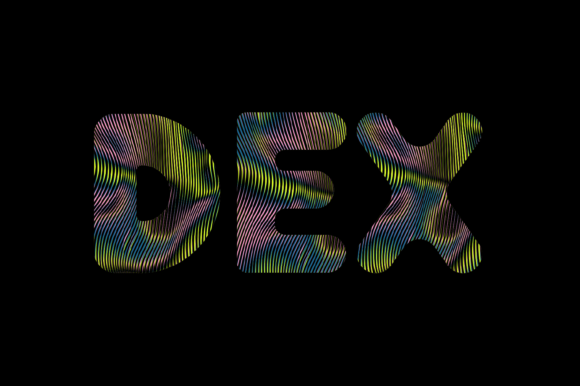
Dex is a display font with a unique personality. Its clean lines and slightly rounded edges give it a friendly yet sophisticated vibe. It feels approachable but still has a touch of elegance that makes it suitable for a wide range of creative projects. Whether I'm working on greeting cards, wedding invitations, or packaging design, Dex adds a visual punch without overwhelming the design.
The font’s visual style leans toward a modern aesthetic with subtle curves that make it feel handcrafted. It's not too ornate, which means it works well for both decorative wording and short phrases like names or titles. I’ve used it on boutique tags and found that it adds a nice contrast to minimalist product designs.
Bringing Dex to Life on Real Products
One of my favorite uses for Dex has been on birthday invitations. I paired it with a clean sans serif font for body text, which gave the whole design a balanced look. The contrast between the two fonts made the invitation feel both professional and personal.
For candle labels, I tested Dex in different sizes and found that it looked great even on small stickers. The readability was impressive, especially when printed at smaller scales. I also used it on farmhouse-style signs for my shop window displays. The font’s charm complemented the rustic theme perfectly.
Another project where Dex shone was in creating printable wall art. I designed a series of seasonal quotes using Dex and paired them with a simple script font for a more artistic feel. The result was a collection of digital printables that customers loved for their visual appeal and ease of use.
Designing with Dex: Tips and Tricks
When working with Dex, I always start by considering the context. Is it for a product label, a greeting card, or a digital template? Each application requires a slightly different approach. For instance, when designing for a tote bag, I make sure the text is legible from a distance while still maintaining the font’s character.
I often test Dex in mockups before finalizing a design. This helps me see how it looks in real-world conditions—whether it’s on a physical product or an online listing image. I’ve found that its versatility makes it ideal for both digital and print formats, which is a big plus for anyone selling handmade goods online.
Font pairing is another aspect I consider. Dex pairs well with a variety of fonts, from clean sans serifs to elegant scripts. When I used it with a handwritten font for a wedding invitation suite, the combination felt both personal and refined. It’s important to choose a complementary font that doesn’t overshadow Dex’s charm.
Choosing the Right Font for Your Project
Dex is best suited for short phrases, names, and titles. Its display nature makes it less ideal for long blocks of text, but that’s where the fun begins. I love using it for decorative elements—like headings, taglines, or branding accents. It adds a visual hierarchy that draws the eye and enhances the overall design.
Before using Dex for commercial purposes, I always check what styles and alternates are included. It’s crucial to ensure that the font supports the languages and characters needed for your project. Also, confirming that it has a commercial license is essential if you're planning to sell products, templates, or digital downloads featuring the font.
When selecting a font for product labels, I pay close attention to file formats. Having access to SVG files has been a game-changer for Cricut and Silhouette users like myself. It allows for precise cutting and ensures that the text looks crisp on stickers, tags, and other physical items.
Whether I’m designing for my own shop or helping others with their creative projects, Dex continues to be a go-to choice. Its blend of style and functionality makes it a valuable asset in any maker’s toolkit. And the best part? It brings a unique personality to every project it touches.